Aristeidis Lappas
Faun
July 16, 2026–July 30, 2026Goldsmiths, University of London
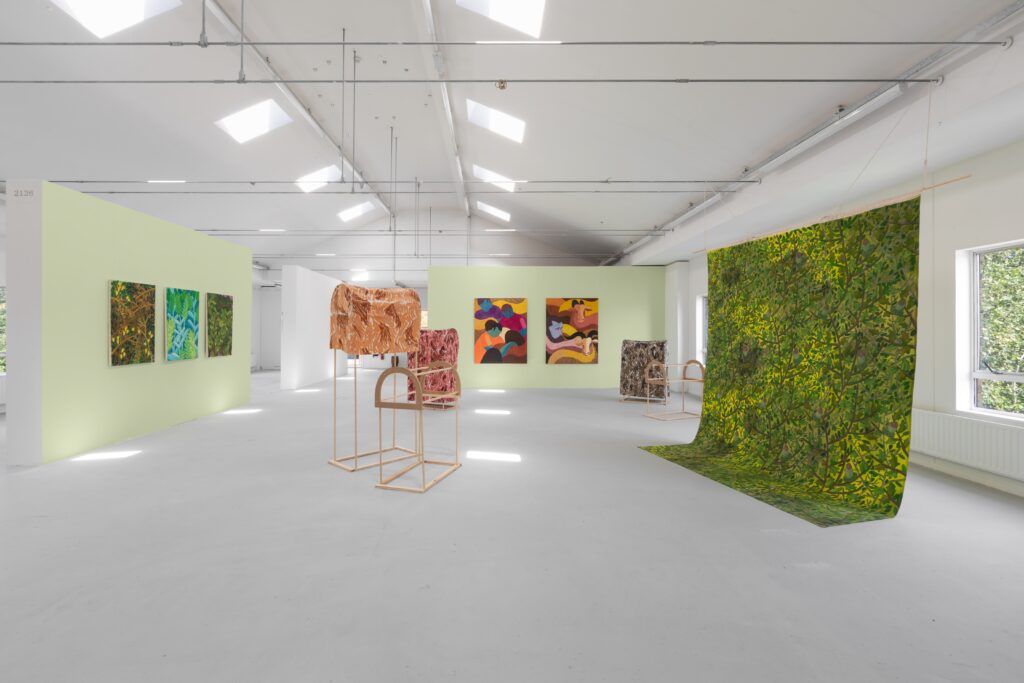
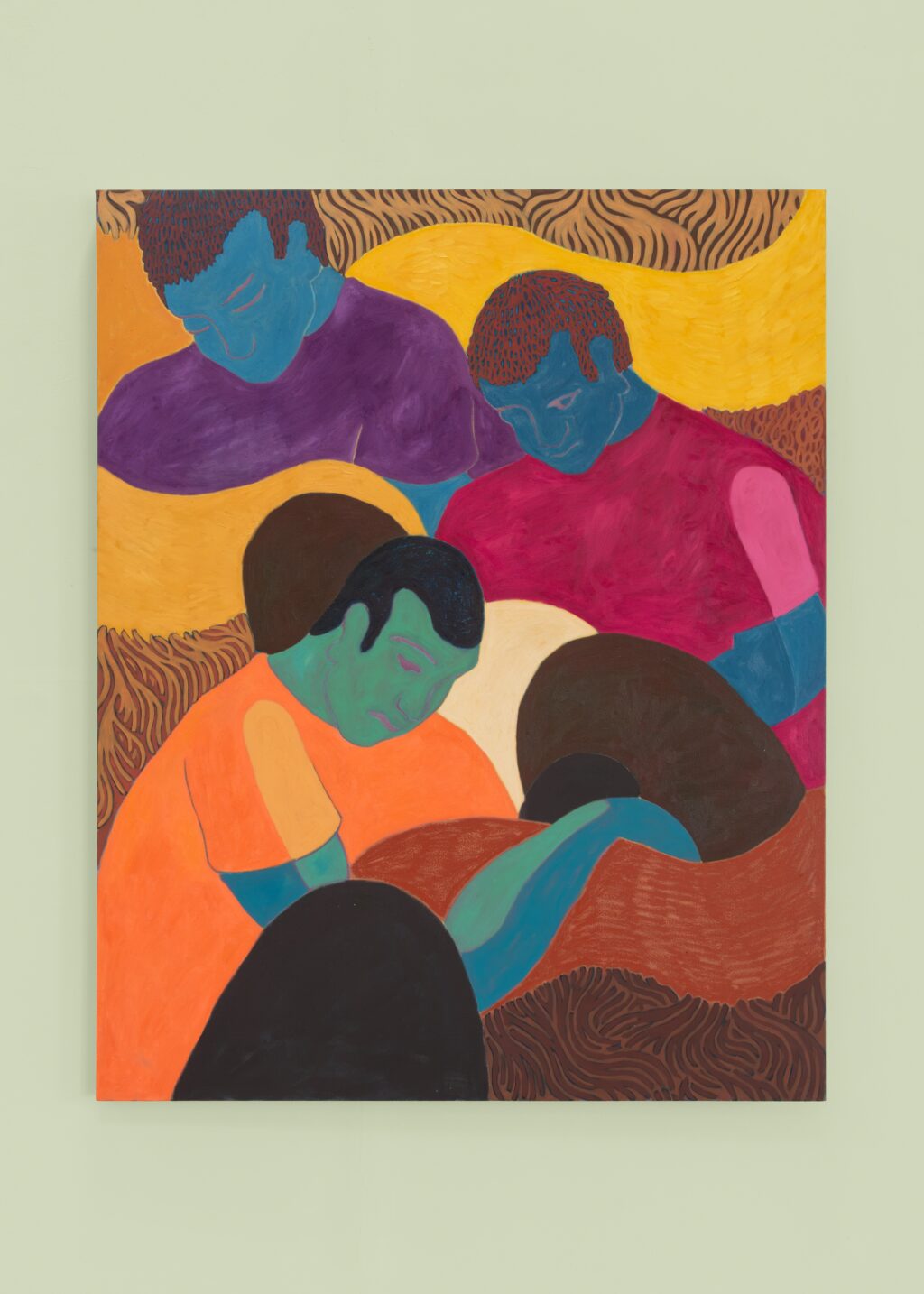
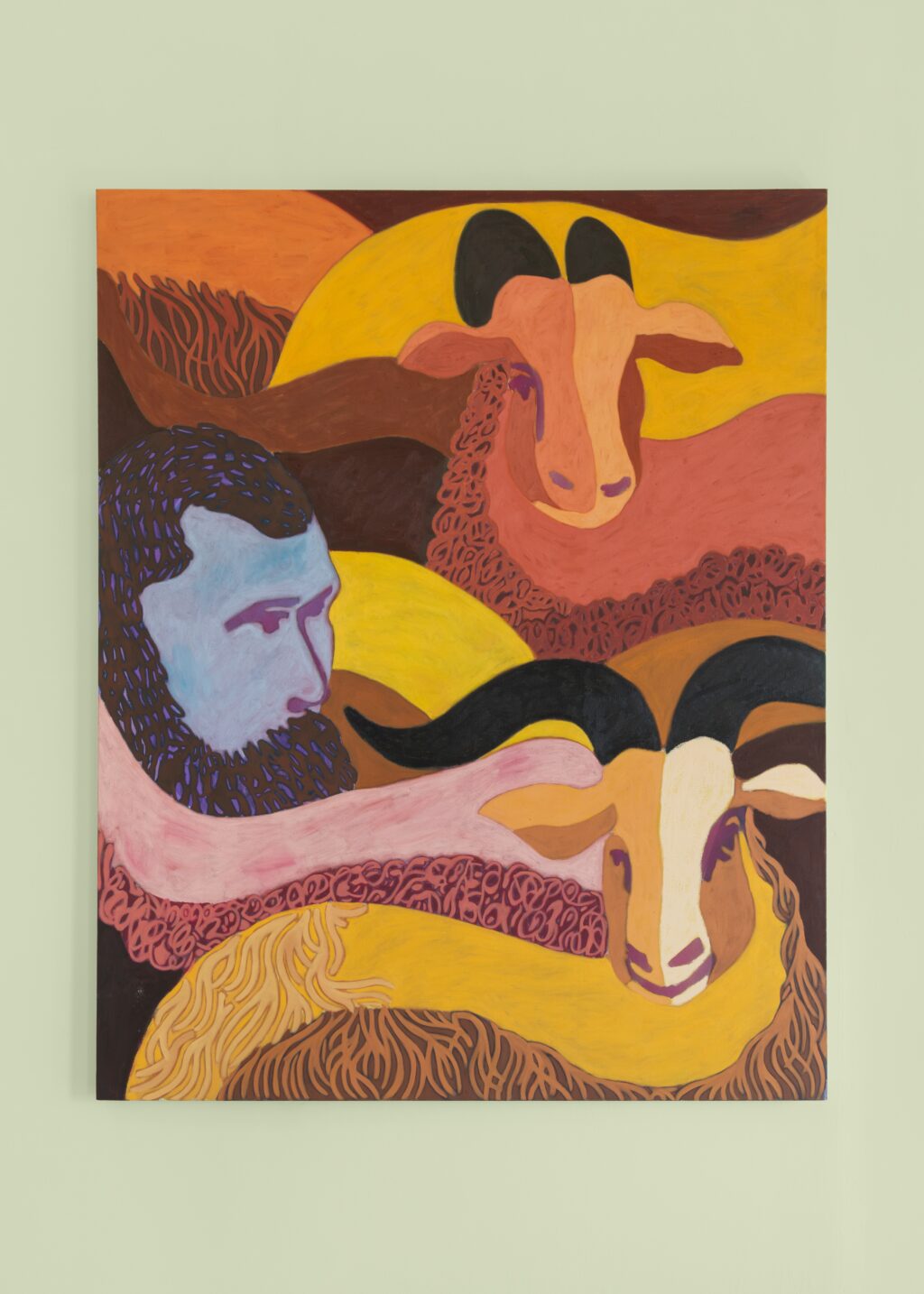
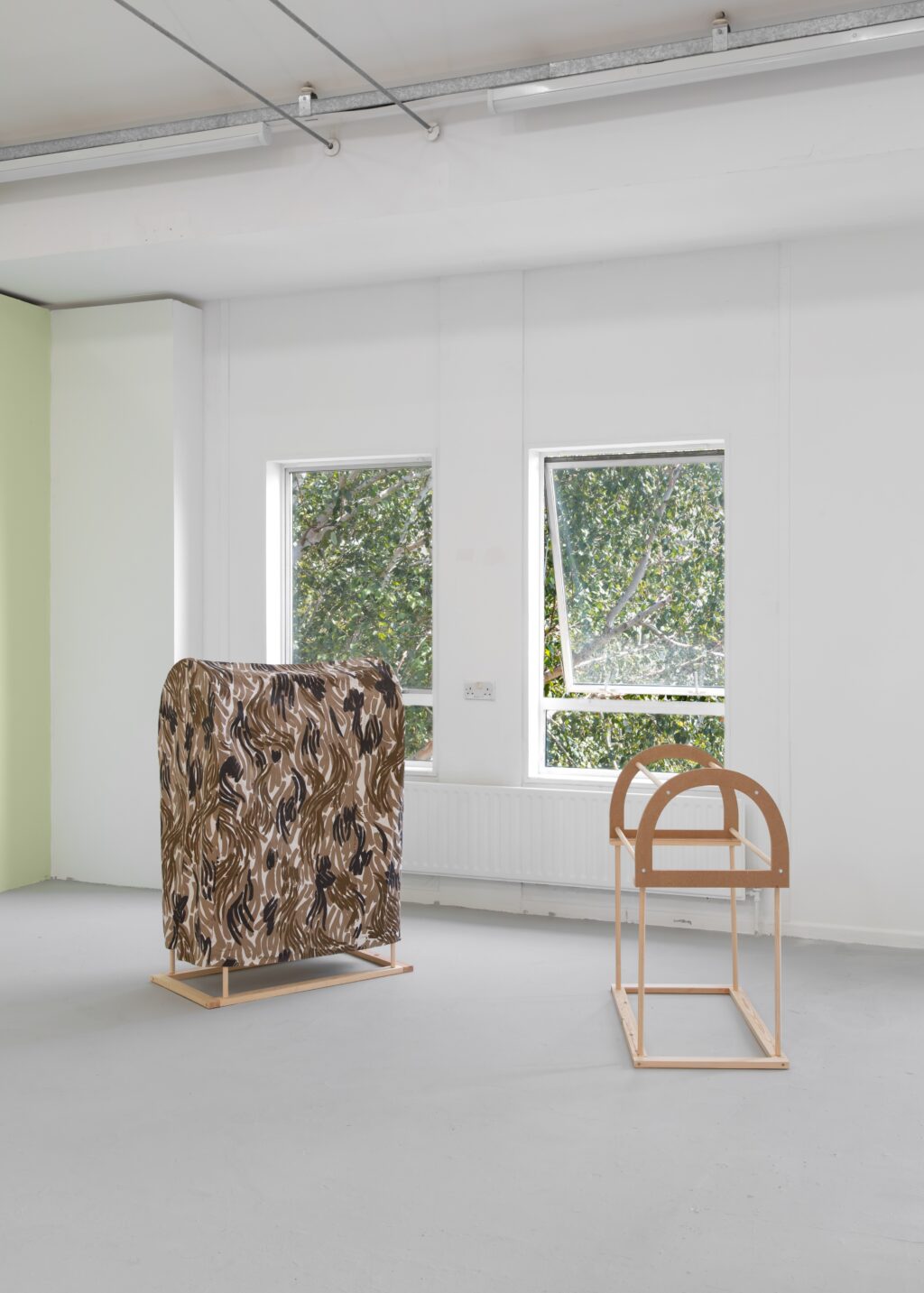
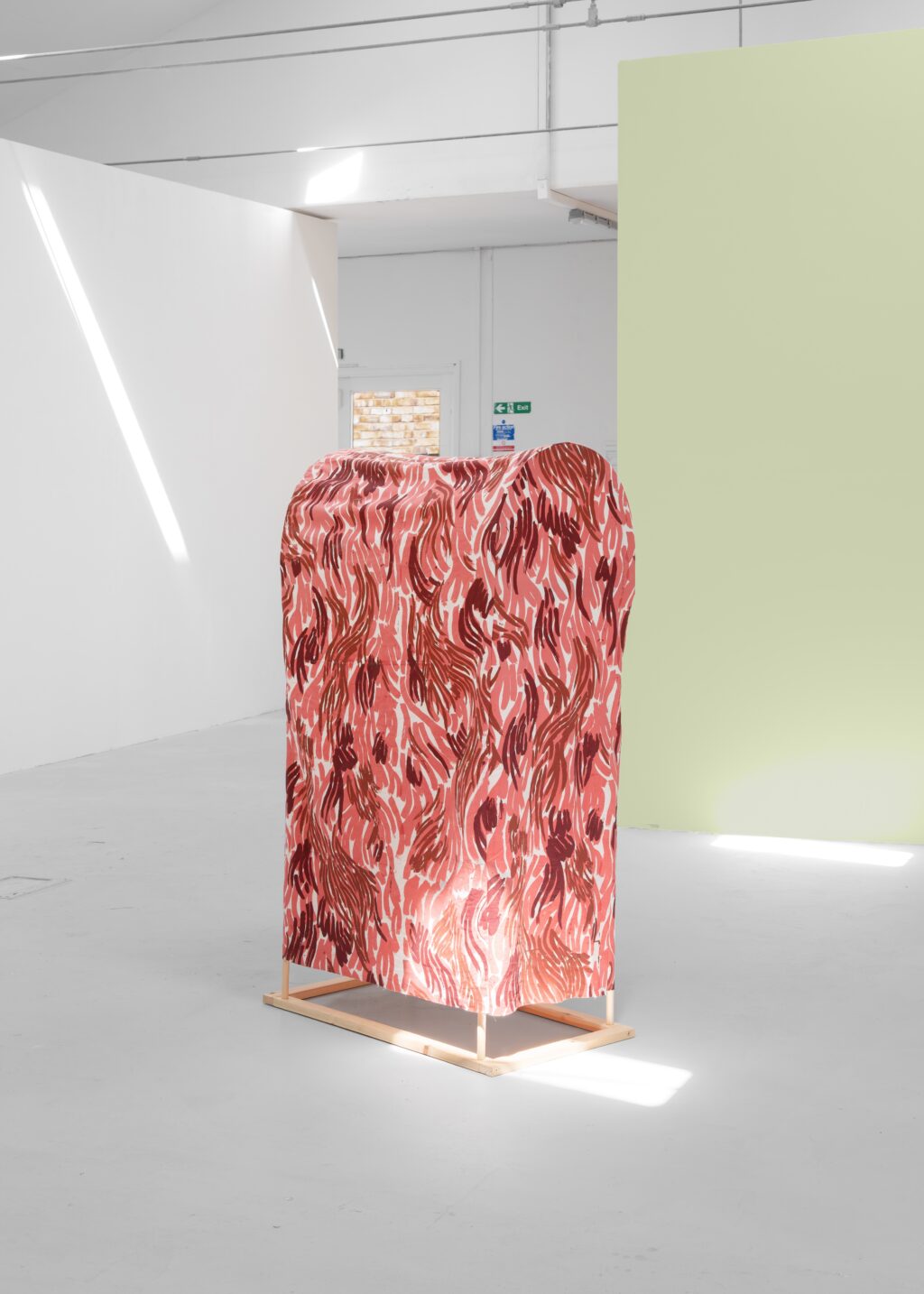
Faun is an ongoing research project by Aristeidis Lappas that focuses on the ancestral shepherding practices of the indigenous Sarakatsani people of Greece and the complex relationships between the natural landscape, the animals that inhabit it, and their human stewards.
The title of the project refers to the half-human, half-goat nature deity Faunus, often identified with the Greek god Pan in Roman and ancient Greek mythology. As the guardian spirit of shepherds, these deities were the attendants of wild and rustic places, often bringing discomfort to the overly urbanised passer-by while serving as helpful guides for those who embraced nature’s ecstatic ways. While this body of work does not include direct mythological references, the title conjures the poetic symbiosis between human and animal that was embodied through these traditional practices and ways of life.
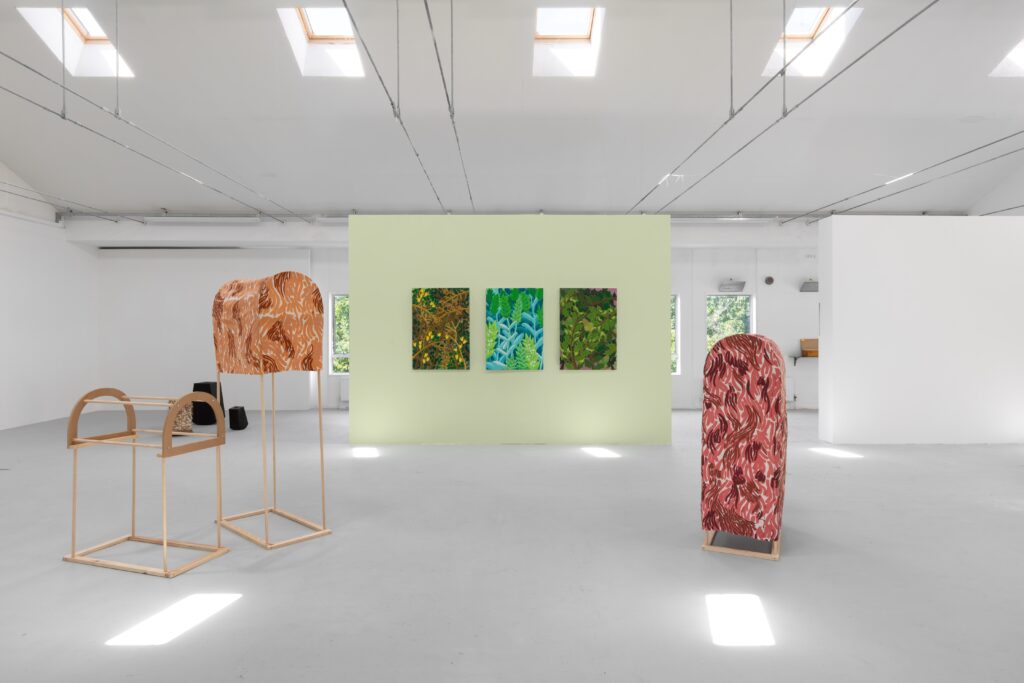
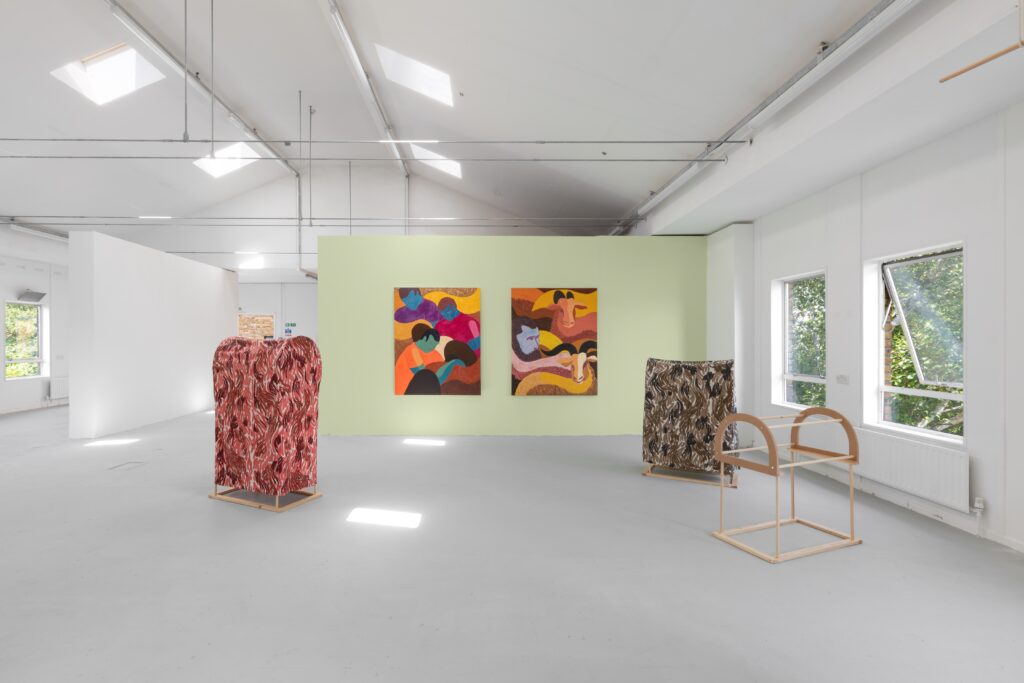
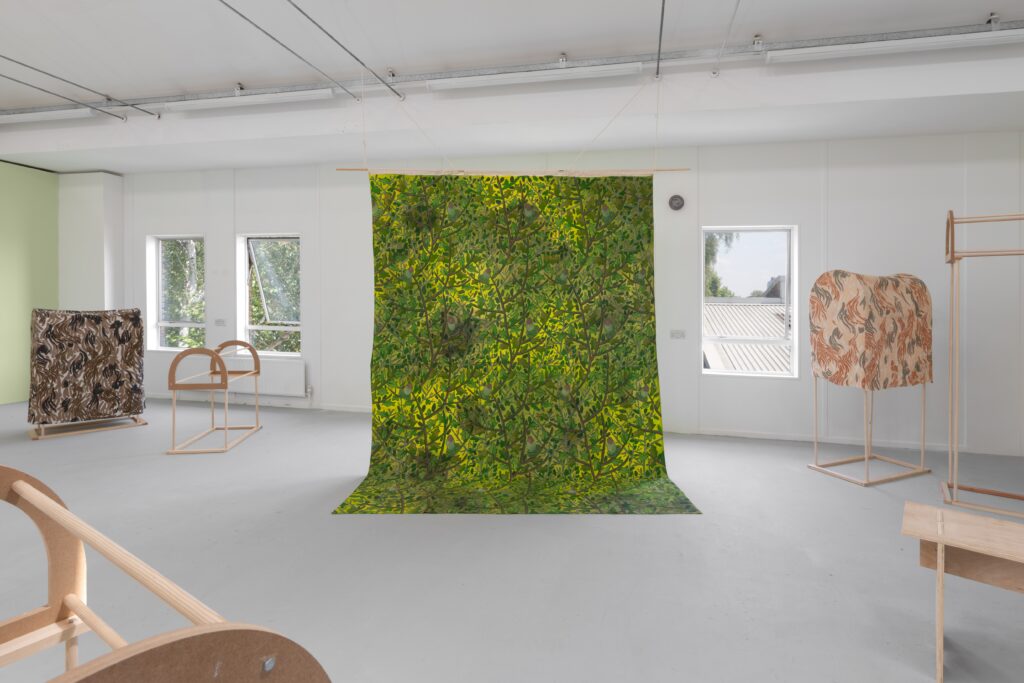
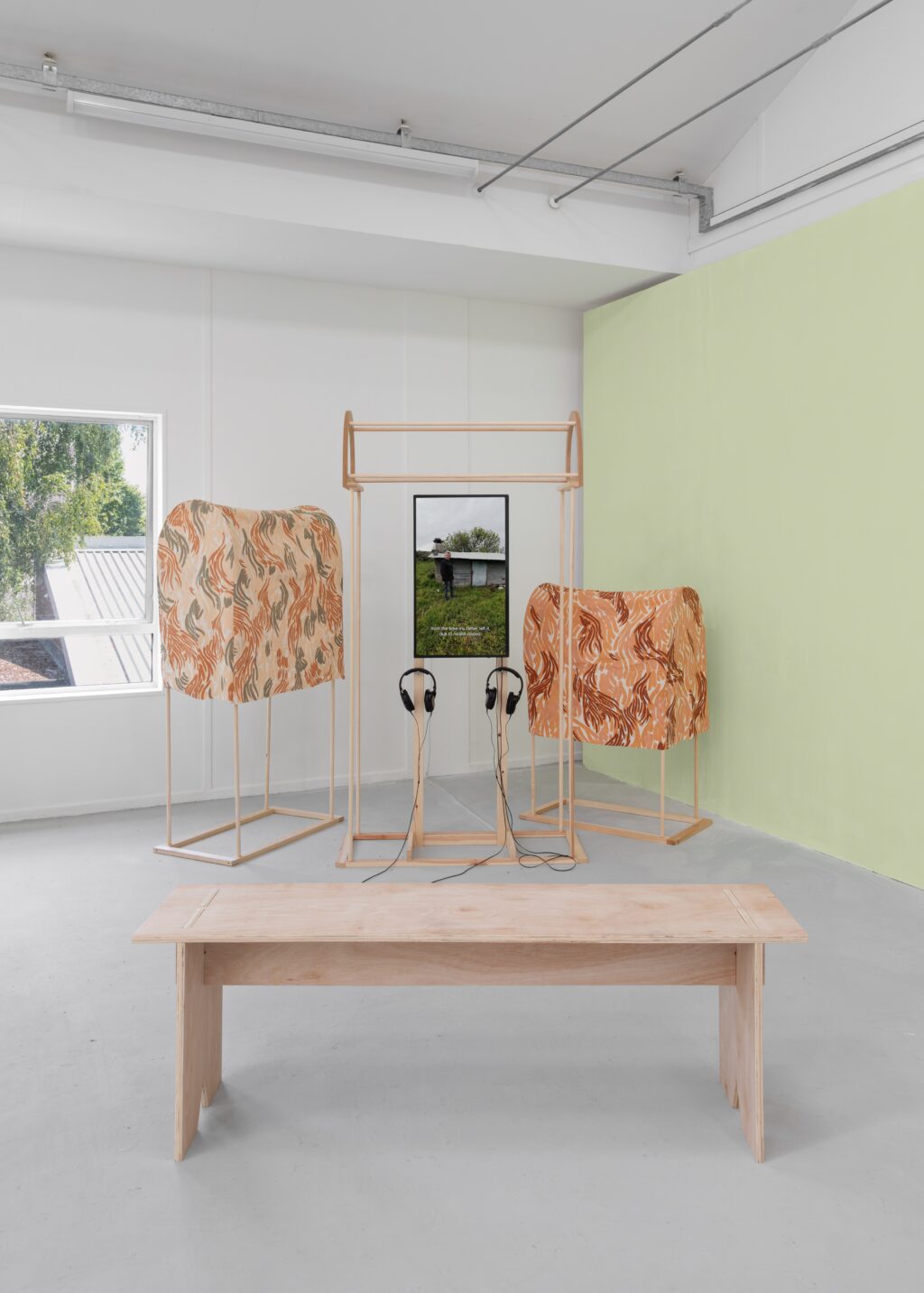
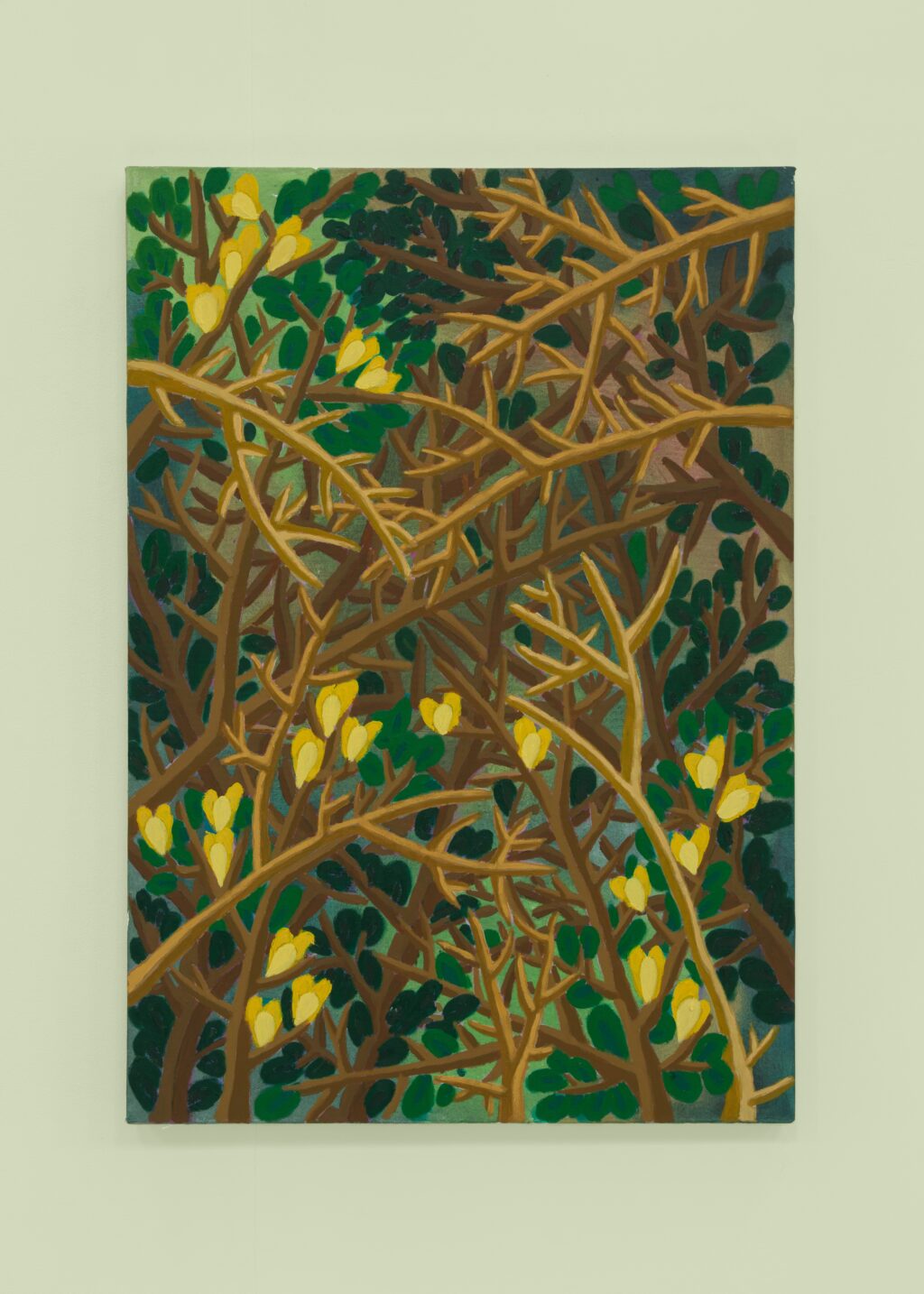
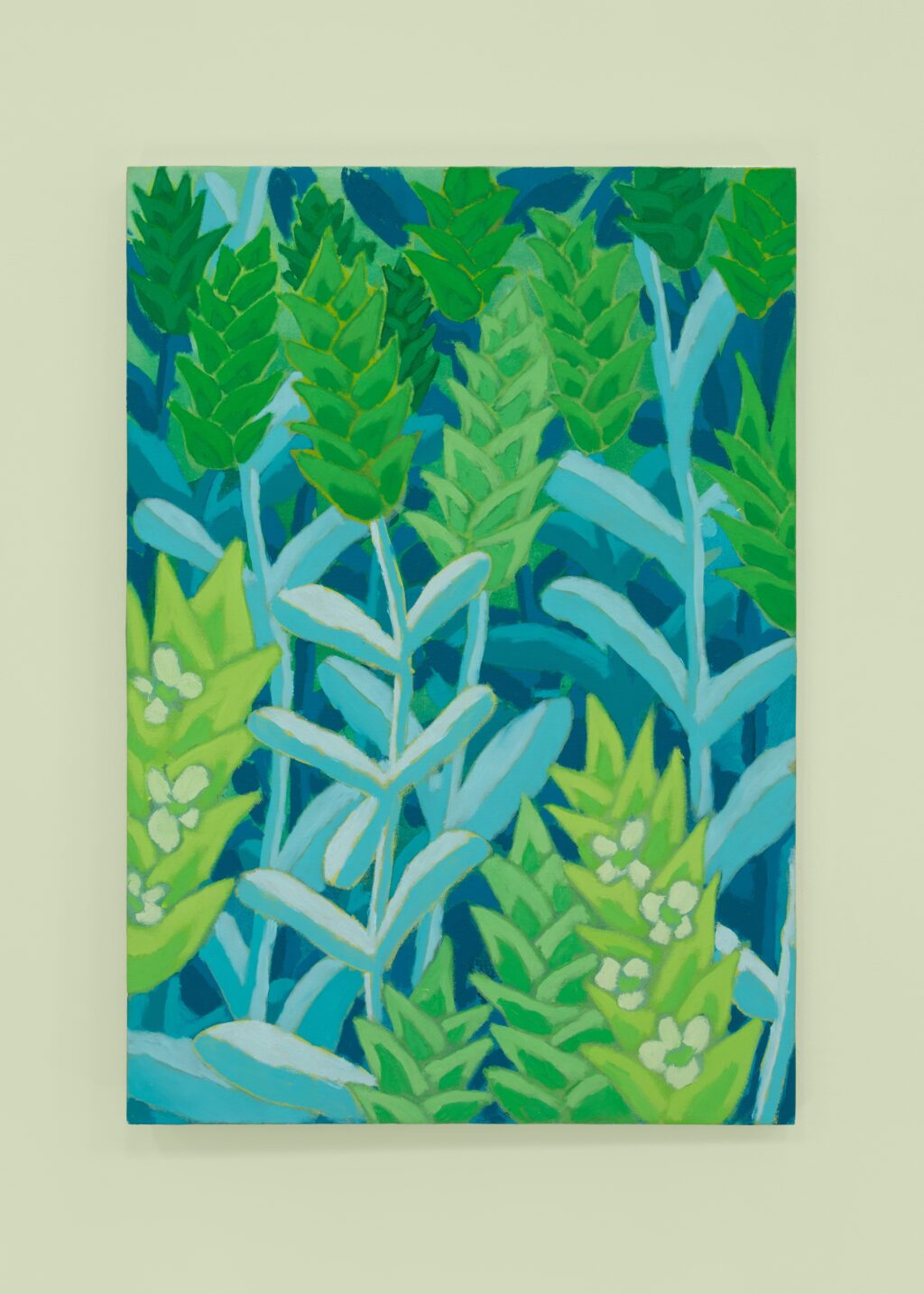
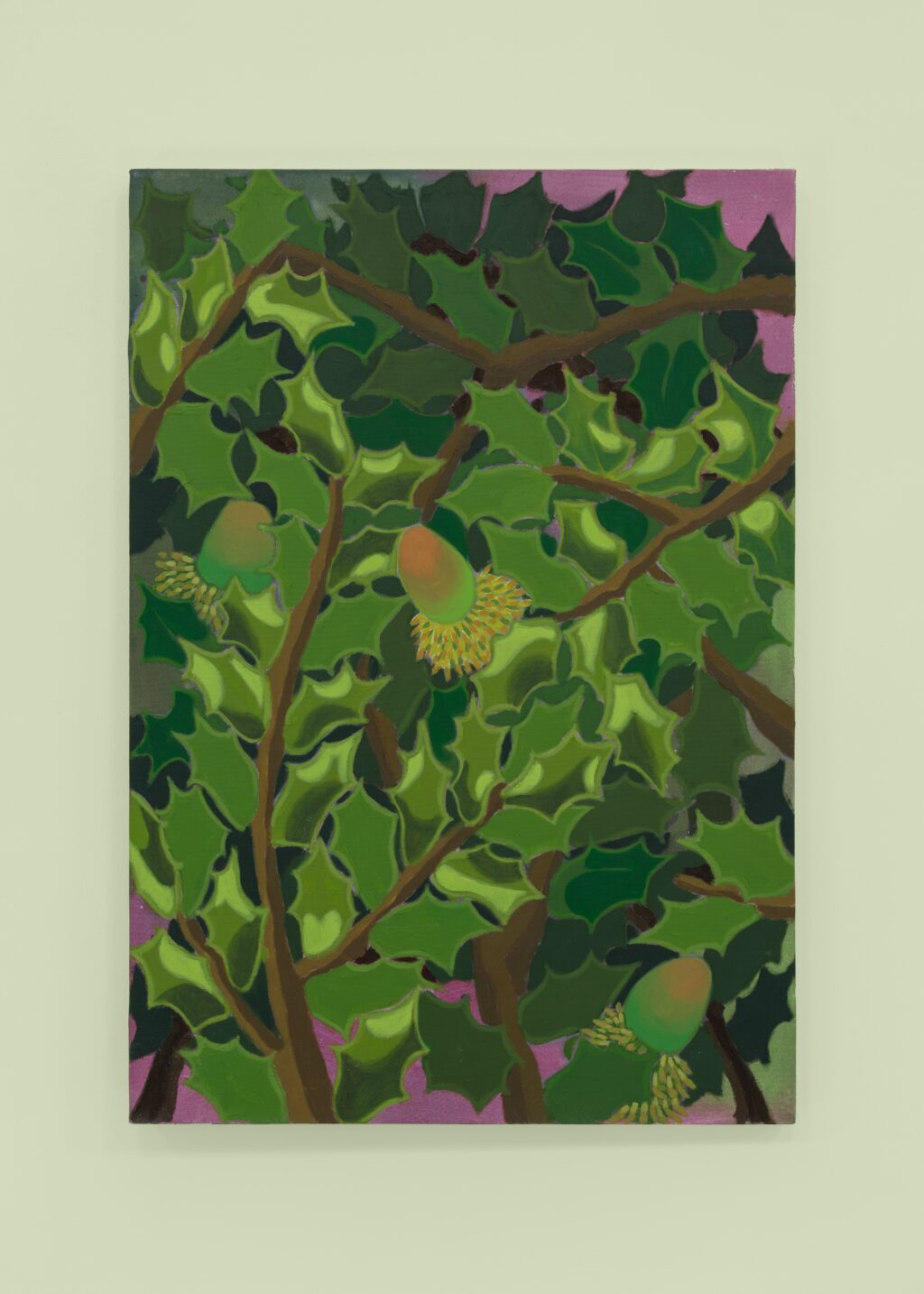
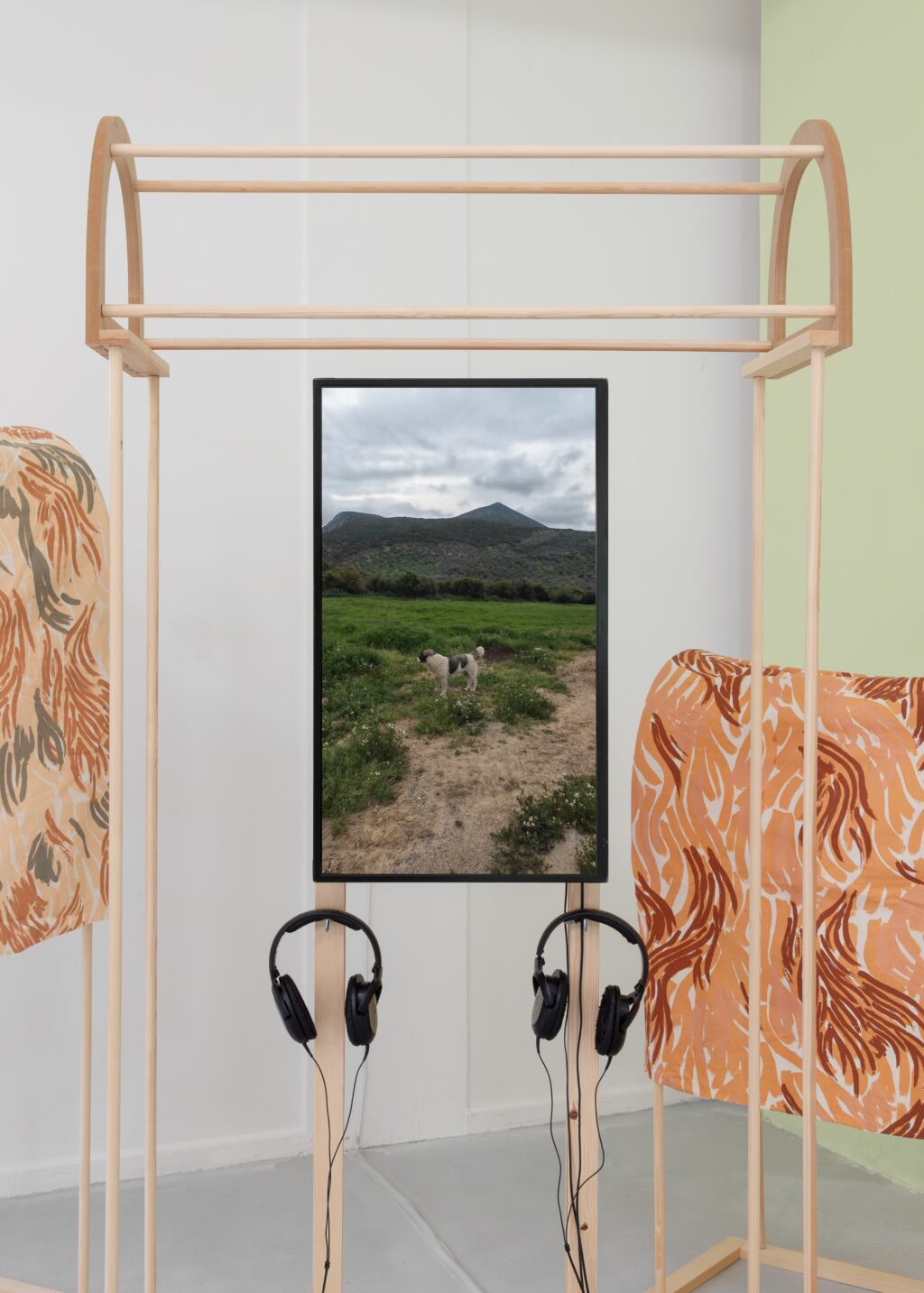
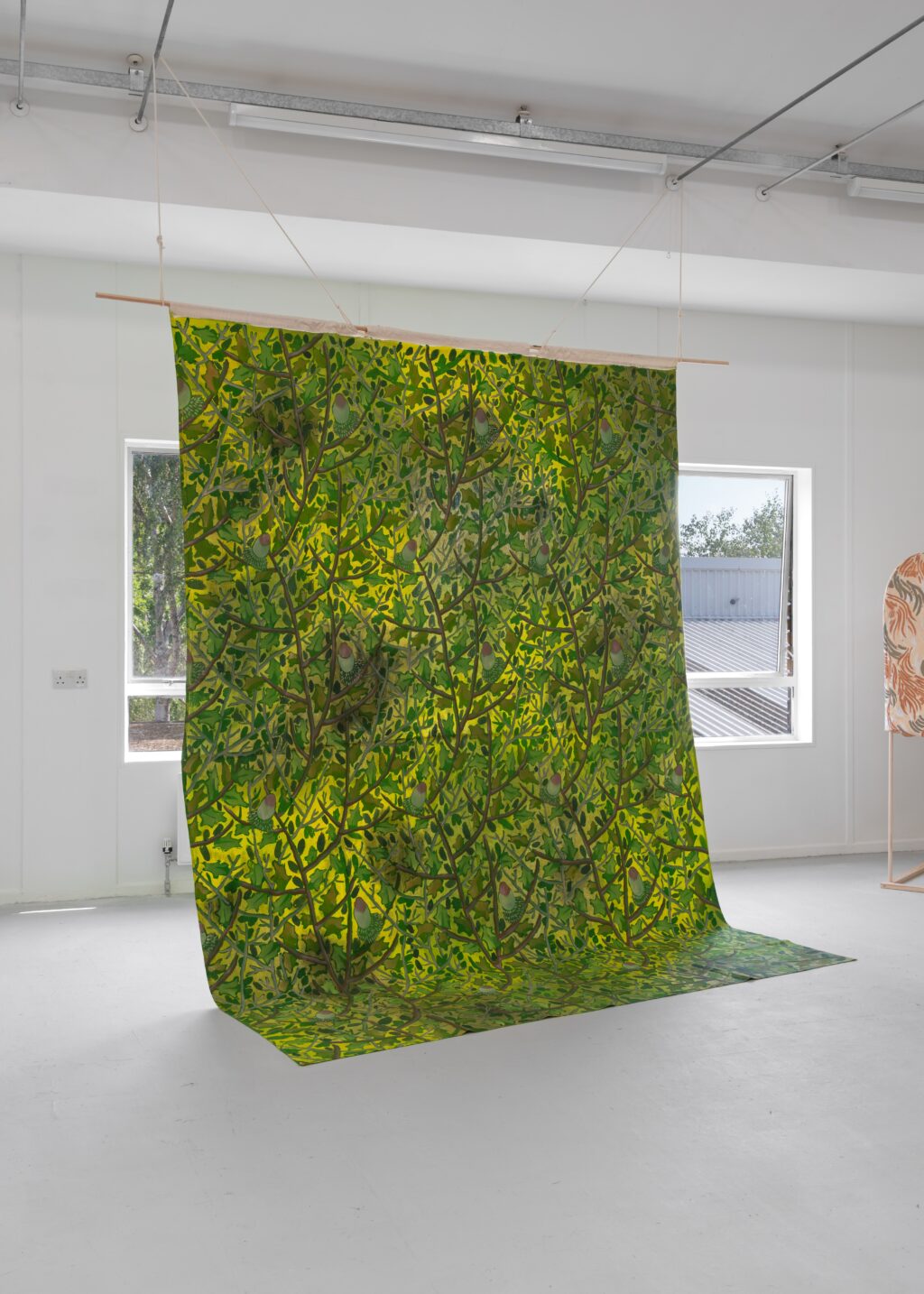
Combining ethnography and artistic practice as research, the project explores traditional ways of life that functioned in harmony with nature and the biodiverse ecosystems in which they were situated. Rather than presenting an over-romanticised fantasy of older ways now lost, this body of work embraces the complexities of this way of life while emphasising the experiences of these communities and the personal voices of their members. The flora and fauna of these particular mountainous environments play a central role throughout the work, as they are understood not simply as a backdrop to human activity, but as equal participants within this ecosystem and active contributors to these cultural traditions.
The project combines painting, installation, textiles, video and sound to create an emergent worldling from the meeting between creative world-building and ethnographic documentation. Influenced by Donna Haraway’s concept of worlding as the practice of creating worlds with more-than-human kin as an ongoing action—without necessarily requiring a material representation—a worldling follows the same collaborative principle but takes material form through a body of creative work. Here, each work is understood not as an isolated artwork with its own story and meaning, but as part of a larger constellation in which all the pieces work together to form a symphony of interconnected meanings, or an entangled environment, that welcomes the viewer to experience it as a whole. In this sense, the installation shifts the relationship between subject and object, placing the viewer not as an observer of the depicted subjects but as an active participant within this emergent world.
While the installation creates a tranquil and colourful environment, the work engages with important issues such as gender equality, the exploitation of natural resources, animal domestication, and the struggle of indigenous communities to maintain their practices within an ever-accelerating, progress-oriented world. At a time of multiple global crises, when climate change is creating national-level threats, situated practices that have evolved over generations in accordance with natural rhythms may provide unforeseen inspiration for a more hopeful future. This body of work raises the questions: what can we learn from ways of life closer to nature, and what do we leave behind? Where might we find the hope that can guide us into the future