The Breeder
Paris Internationale
October 21, 2025–October 26, 202522 avenue des Champs-Elysées, Paris
The Breeder is pleased to participate in the 2025 edition of Paris Internationale, presenting works by Alexandra Christou, Andreas Lolis, and Natsuko Kiura.
Alexandra Christou (1950–2009)
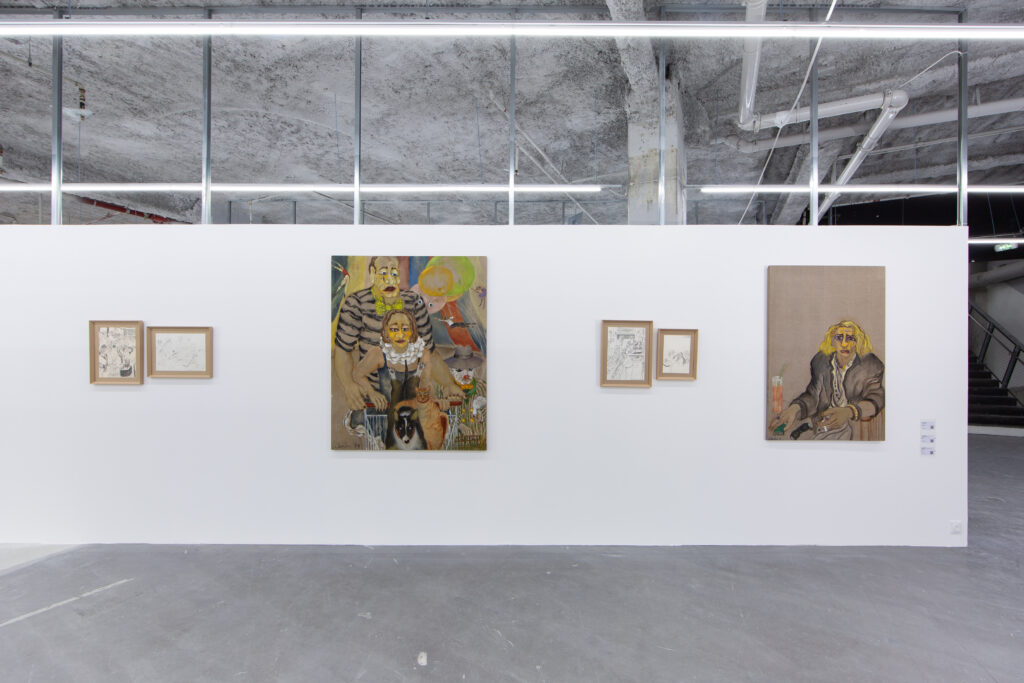
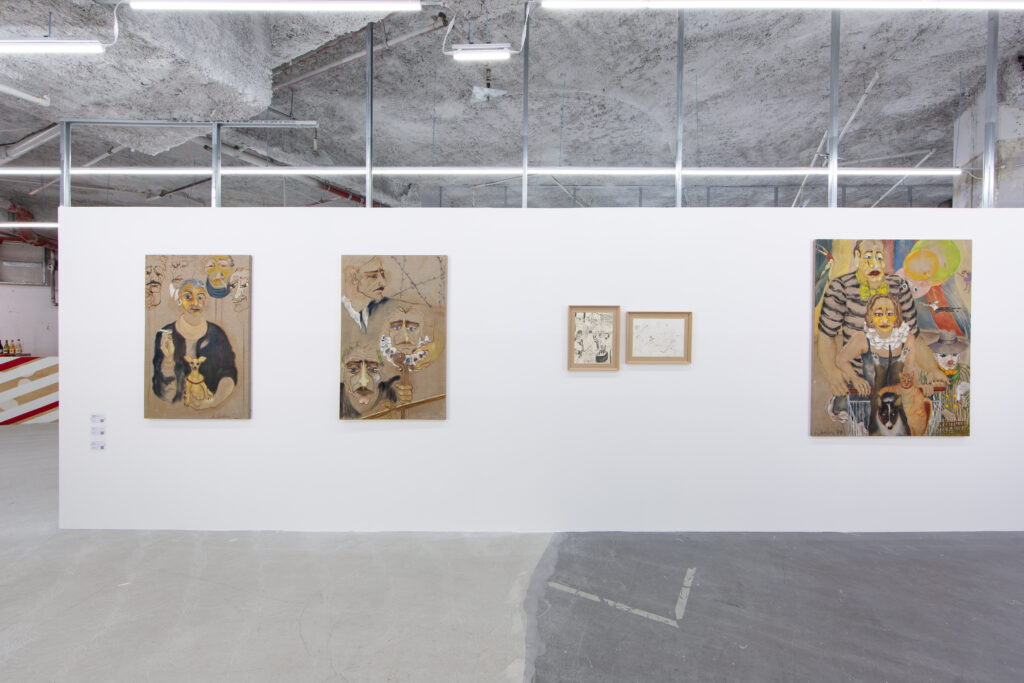
A self-taught painter, Alexandra Christou developed a distinctive visual language that remained largely unseen during her lifetime. Living for extended periods in the United States, Australia, and Germany before settling between Athens and the Aegean island of Astypalaia in 1987, she absorbed diverse cultural influences while cultivating an intensely personal, expressive style.
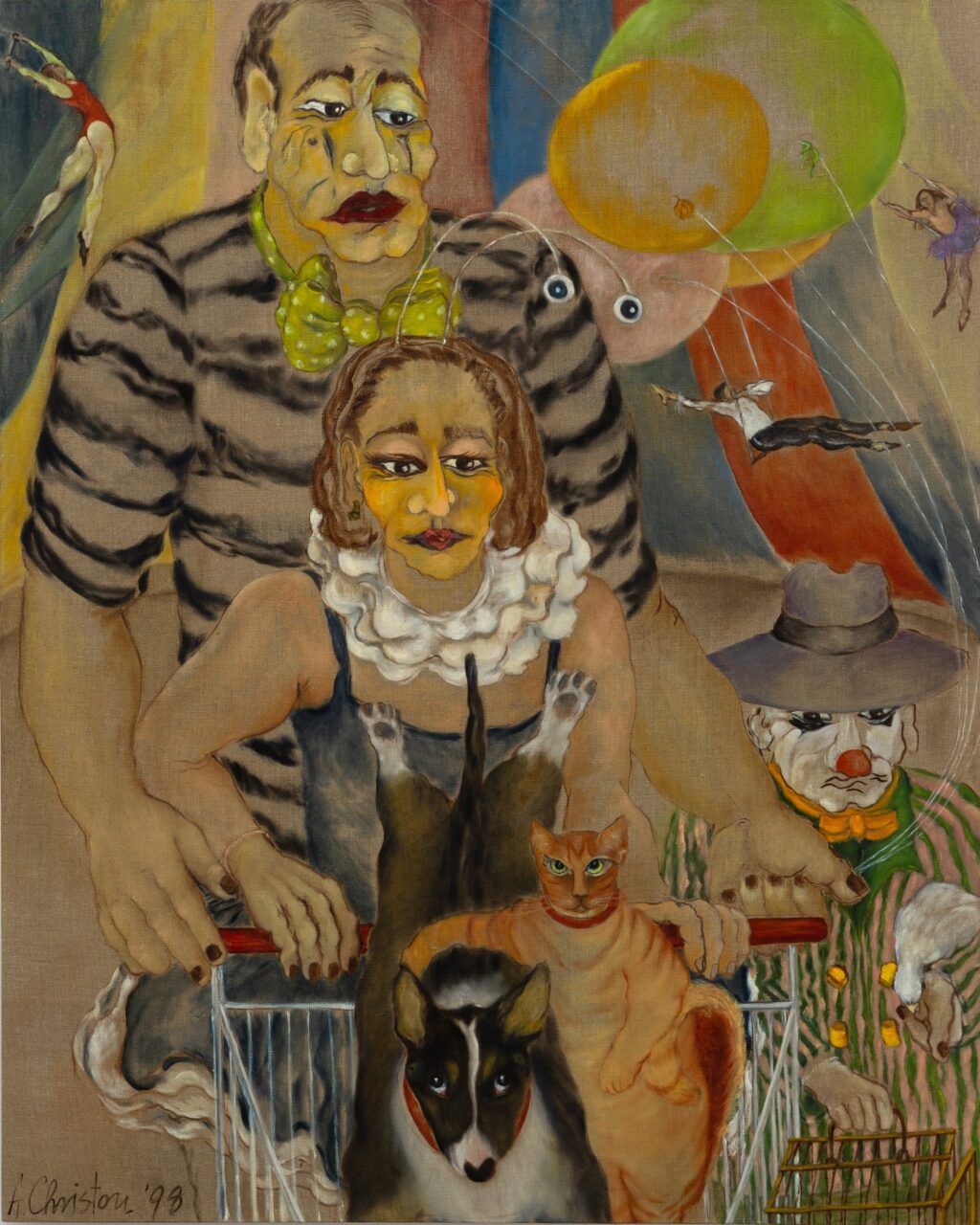
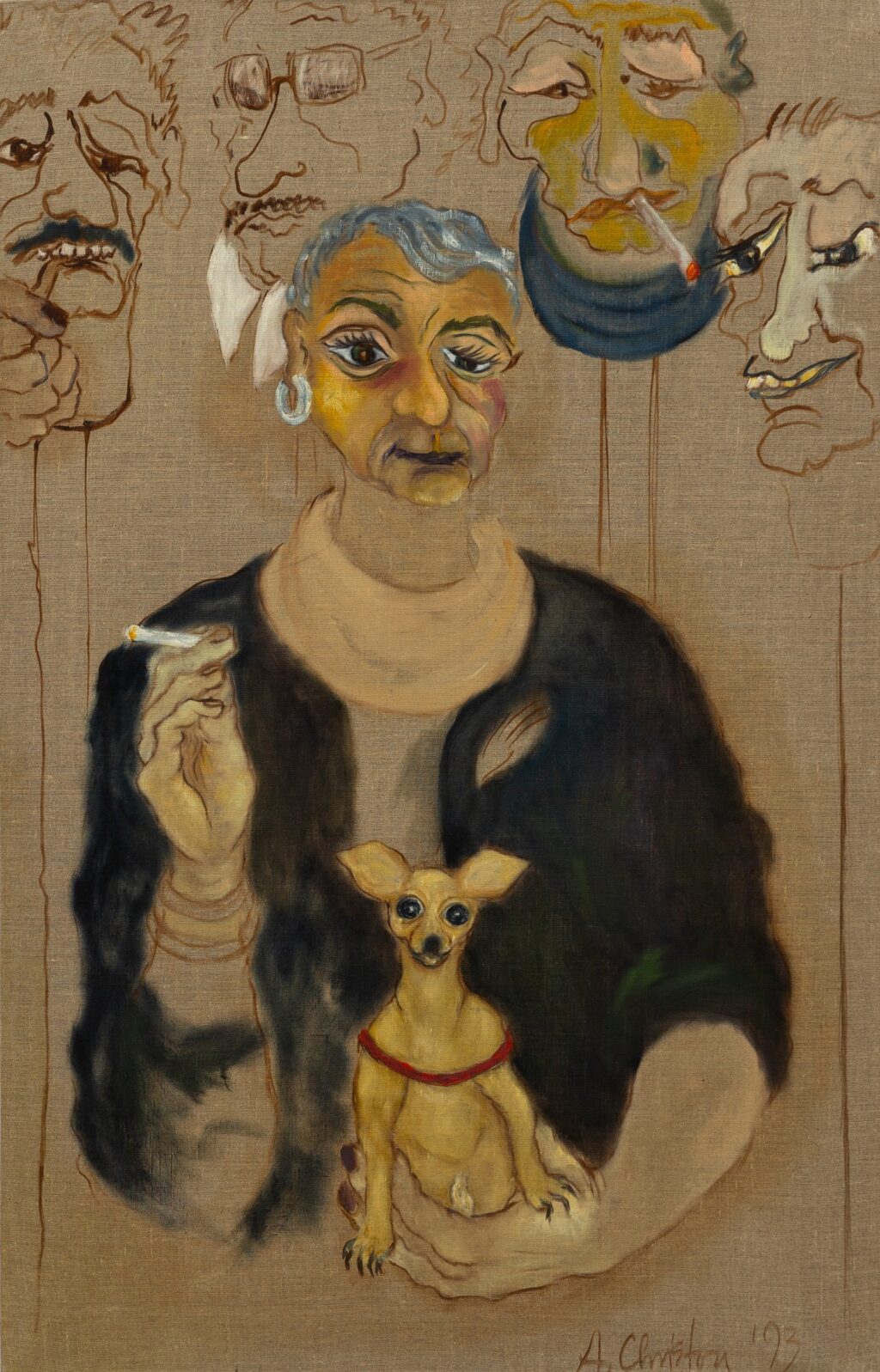
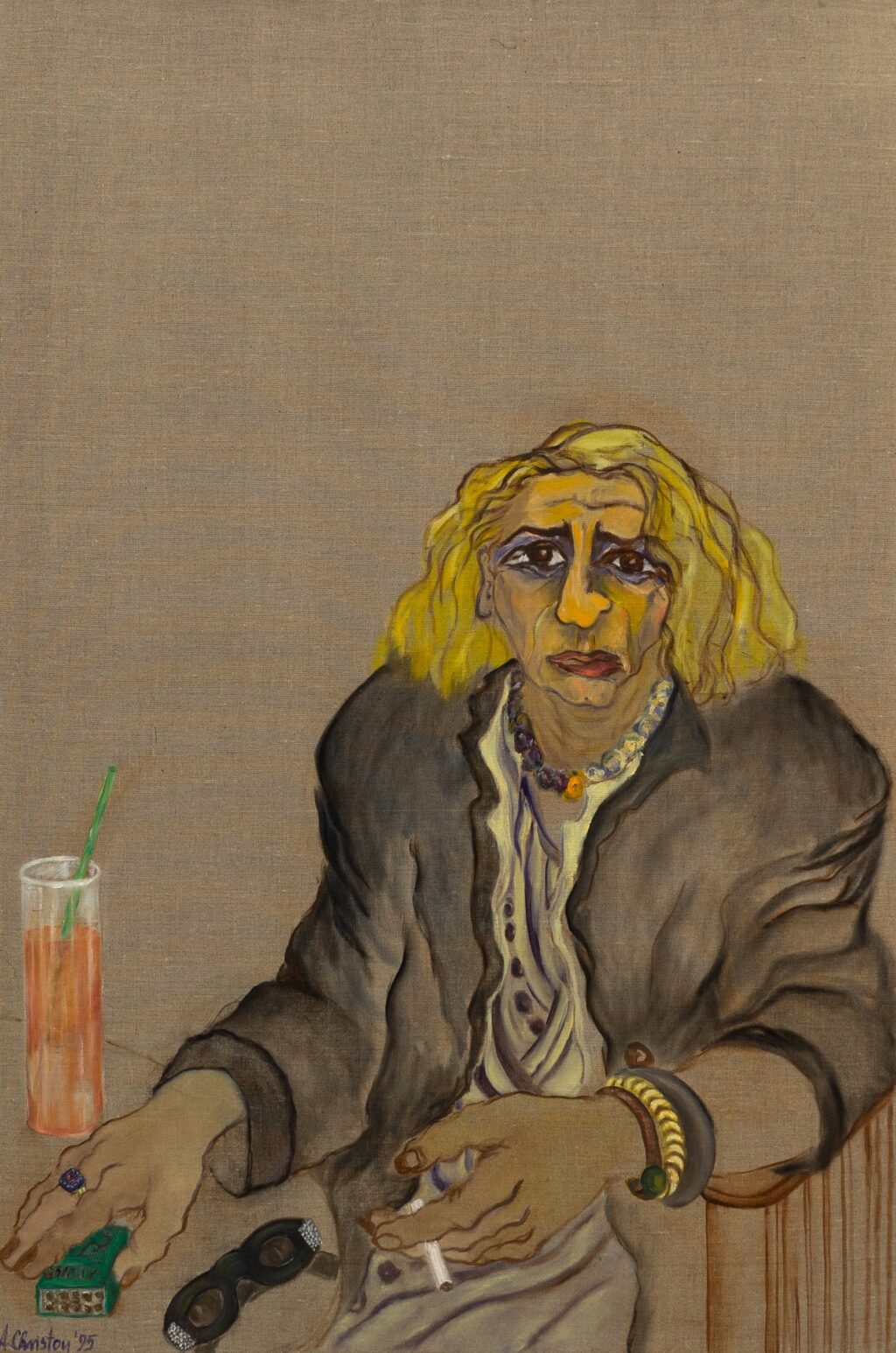
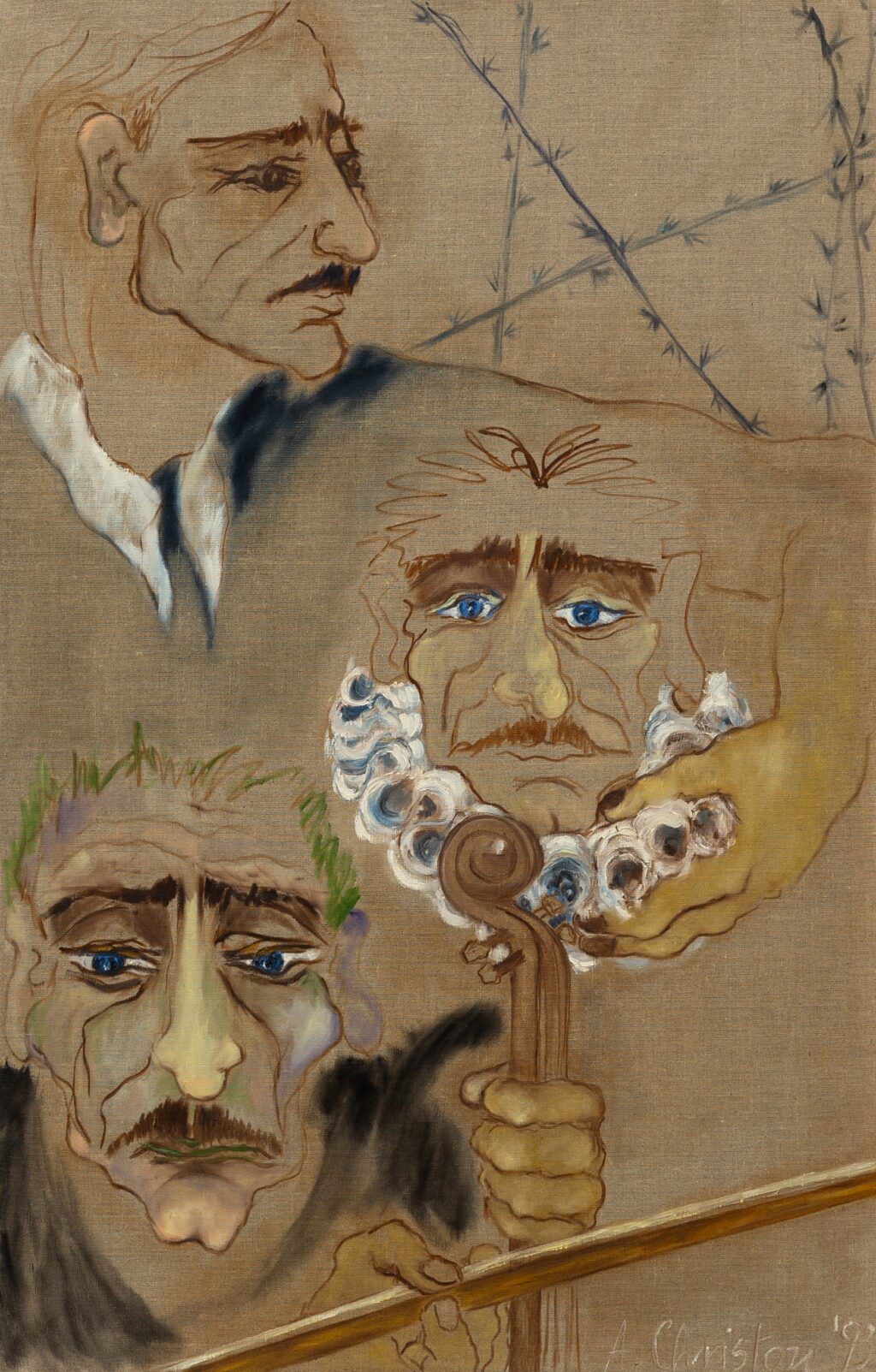
Christou’s portraits draw on the textures of everyday life—cafés, domestic interiors, island rituals—blending myth, memory, and lived experience. Her protagonists—men in cafés, beggars, sex workers, friends, lovers, and alter egos—appear as everyday heroes in dreamlike scenes that blur fact and fiction. Surreal symbolism and self-referential gestures lend the work both tenderness and quiet resistance, exploring companionship, solitude, and the subtle performances of daily existence.
Despite limited exposure during her career, Christou exhibited at the Benaki Museum in Athens and the Institute for Graphic Arts & Painting in Marburg, Germany, leaving behind a quietly powerful legacy that continues to resonate. Public Secrets, curated by Milovan Farronato at The Breeder in the summer of 2025, brought renewed attention to key canvases from the early to late 1990s. Works such as Alexandra as Tightrope Walker between Athens and Astypalaia (1992), A with Loves of Her Life (1995), and Portrait A. with Aris Circus (1998) reveal autobiographical layers in which personal myth and everyday encounters merge. Charged with private meaning yet resonant with broader late-20th-century Greek life, Christou’s paintings stand as vivid visual diaries—testaments to resilience, marginality, and the enduring poetry of ordinary people and places.
Natsuko Kiura (b. 1985, Kagoshima, Japan)
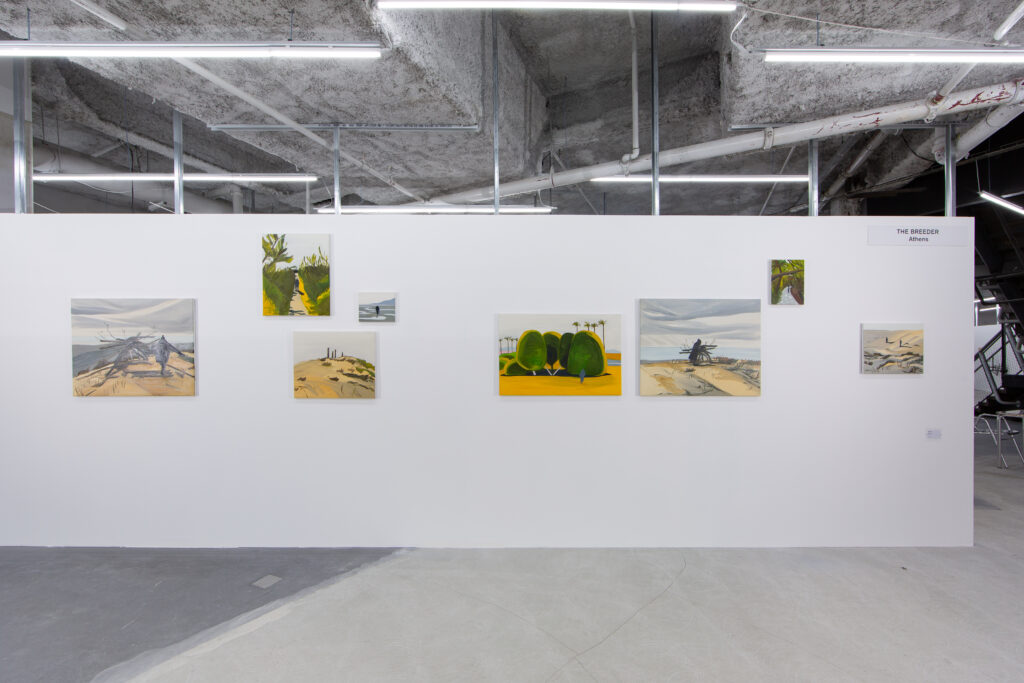
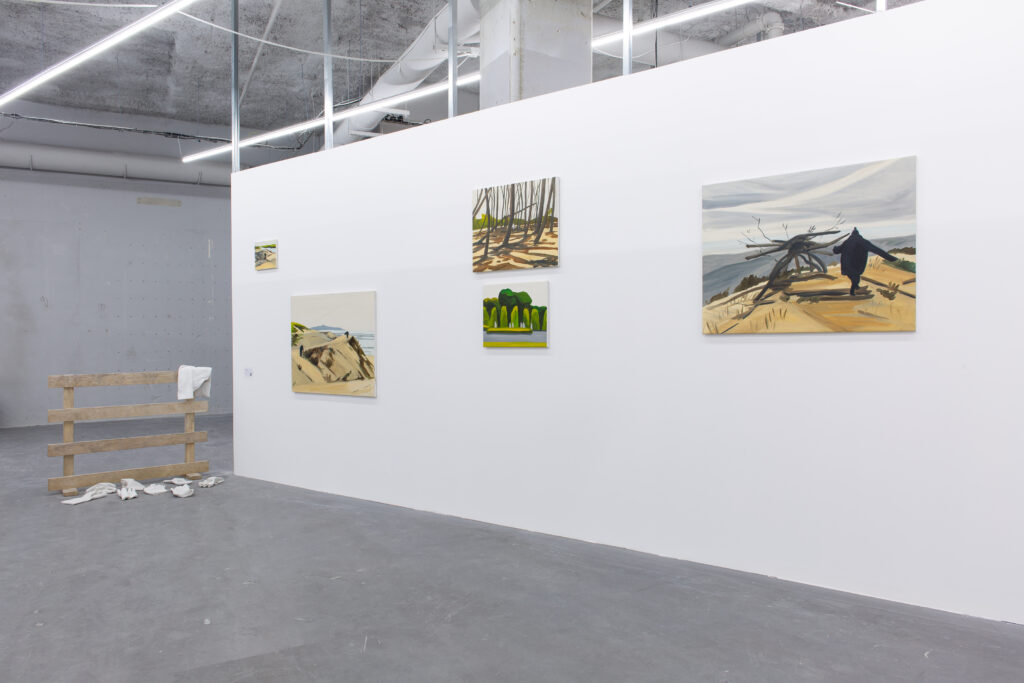
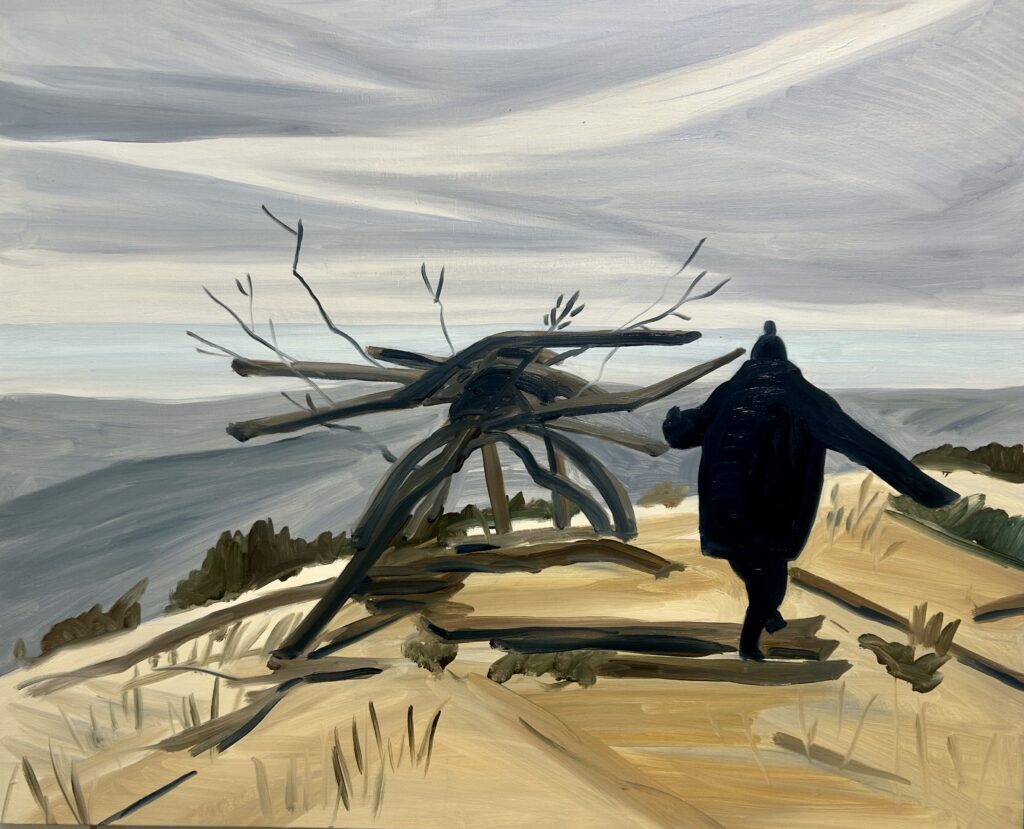
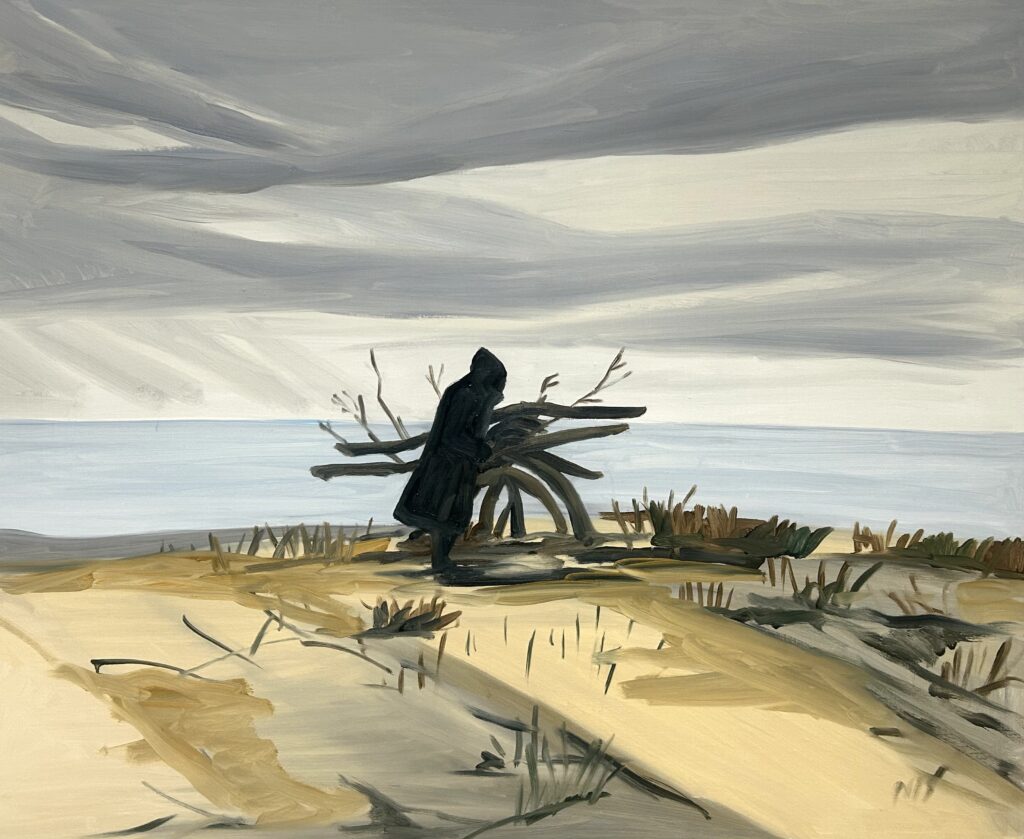
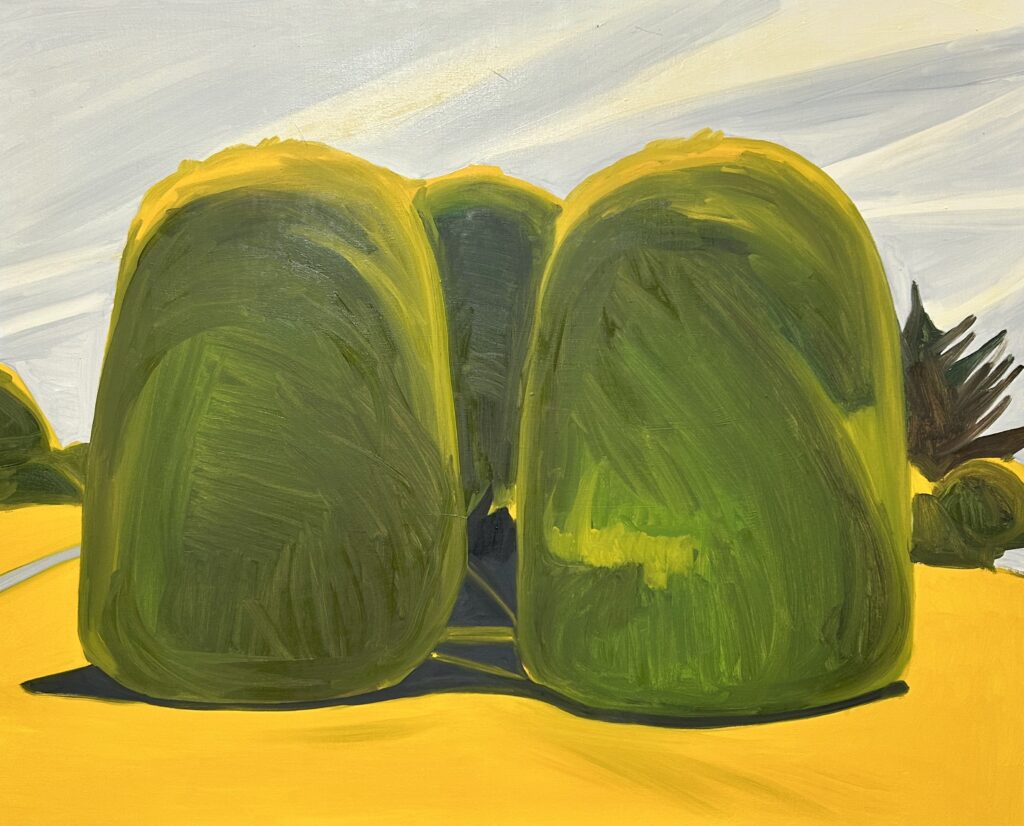
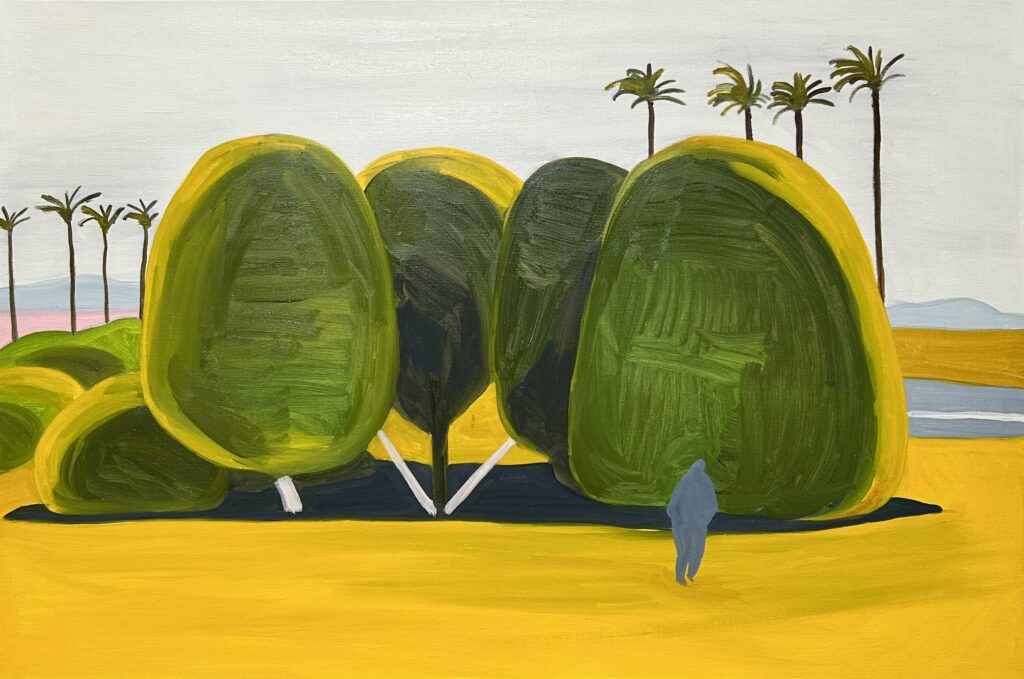
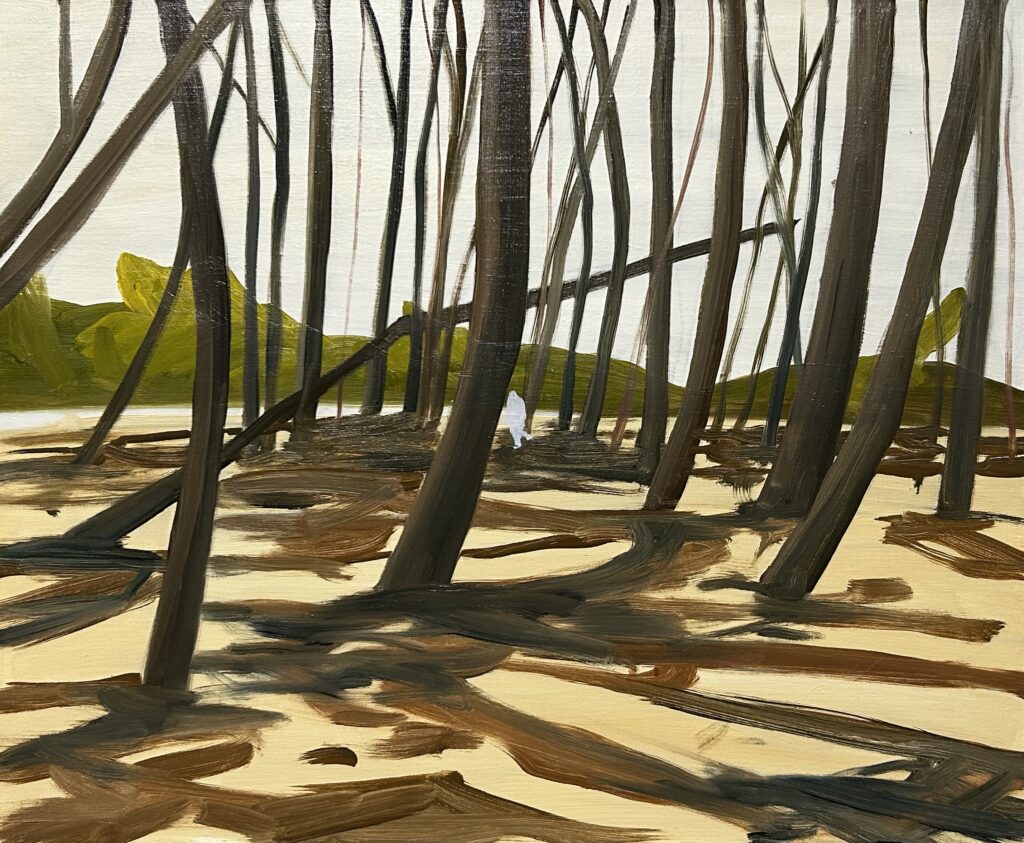
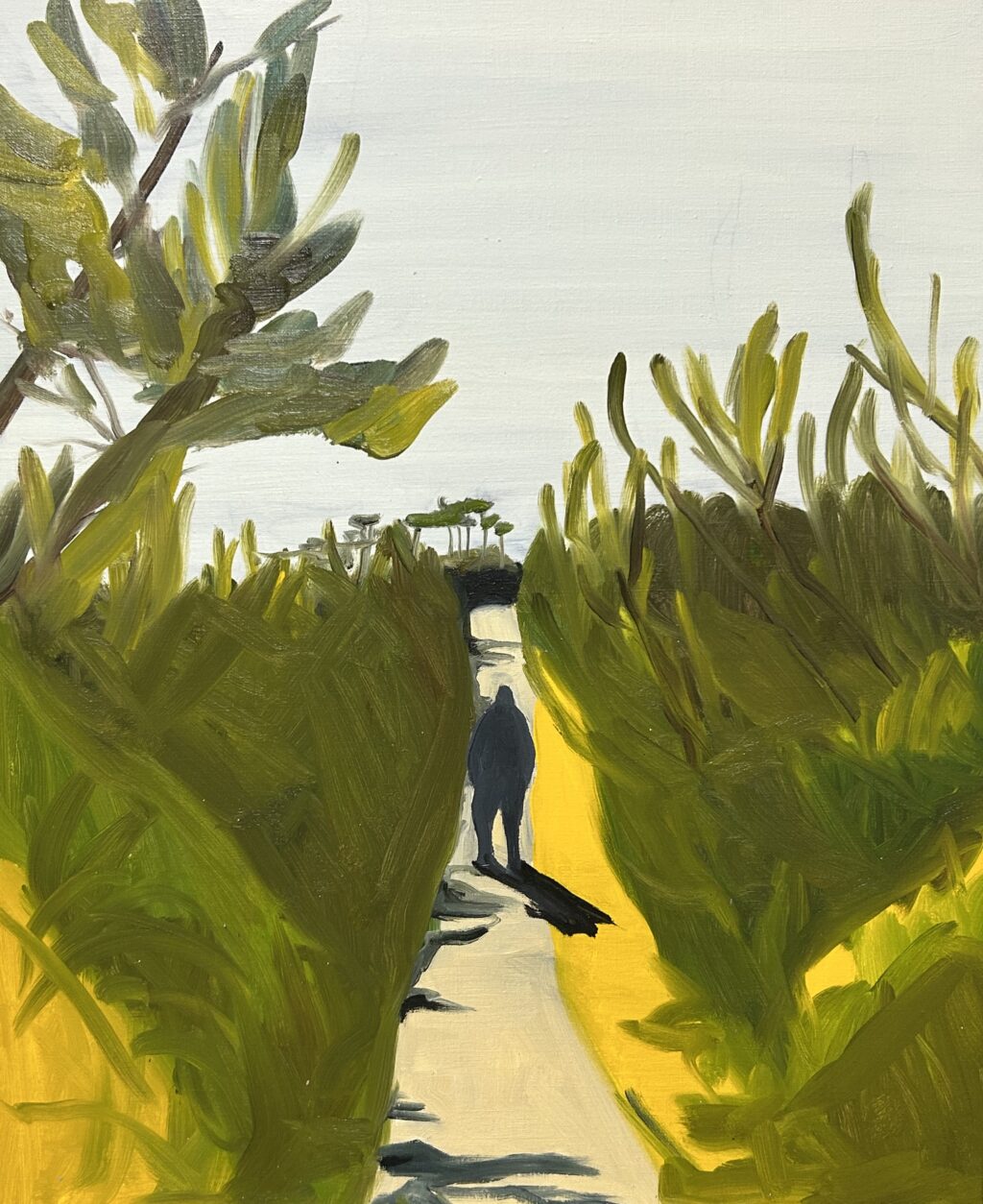
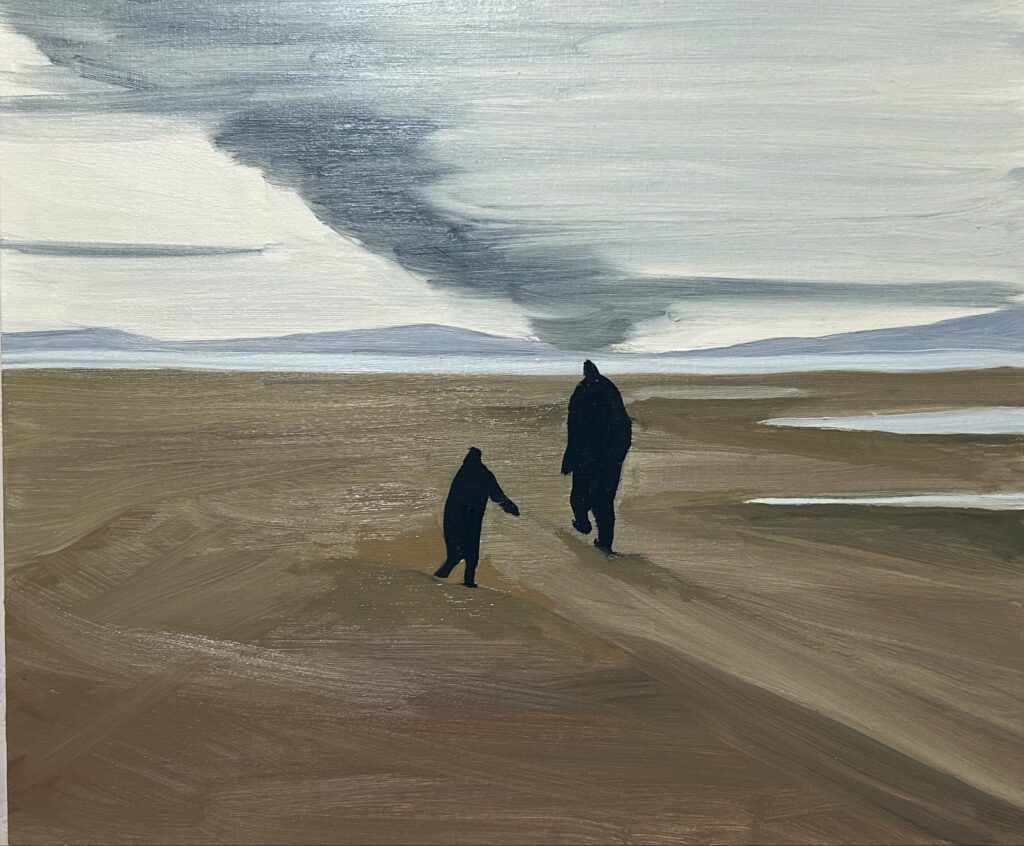
Natsuko Kiura’s paintings seek to capture the memory of a memory, distilling fleeting impressions of landscapes into luminous, pared-down compositions. Beginning with her own photographs of everyday scenes—a beach, a stretch of rolling hills, a roadside view—Kiura gradually removes detail, reducing each image to its emotional essence. What remains is not a faithful depiction but a translation of sensation: a landscape as remembered, reimagined, and transfigured.
Her works oscillate between objectivity and subjectivity, balancing the factual record of the camera with the personal resonance of painting. Figures are absent or dissolve into their surroundings, leaving nature to unfold in restrained, precise brushstrokes and a soft palette of colors. The resulting canvases evoke nostalgia and solitude while paradoxically inviting viewers to project their own feelings and recollections onto anonymous, universal places. In Kiura’s work, separation itself becomes a point of connection—an unlikely space of shared community.
Kiura received her MFA in Art & Design from Onomichi City University. She has exhibited widely throughout Japan, including group exhibitions at the National Art Centre, Tokyo (2023); Hiroshima City Museum of Contemporary Art (2023); and Ueno Royal Museum, Tokyo (2022). Her recent solo exhibitions include Takashi Someiya Gallery, Tokyo (2022); Kagoshima City Museum of Art (2021); and The Breeder, Athens (2024).
Andreas Lolis (b. 1970, Greece)
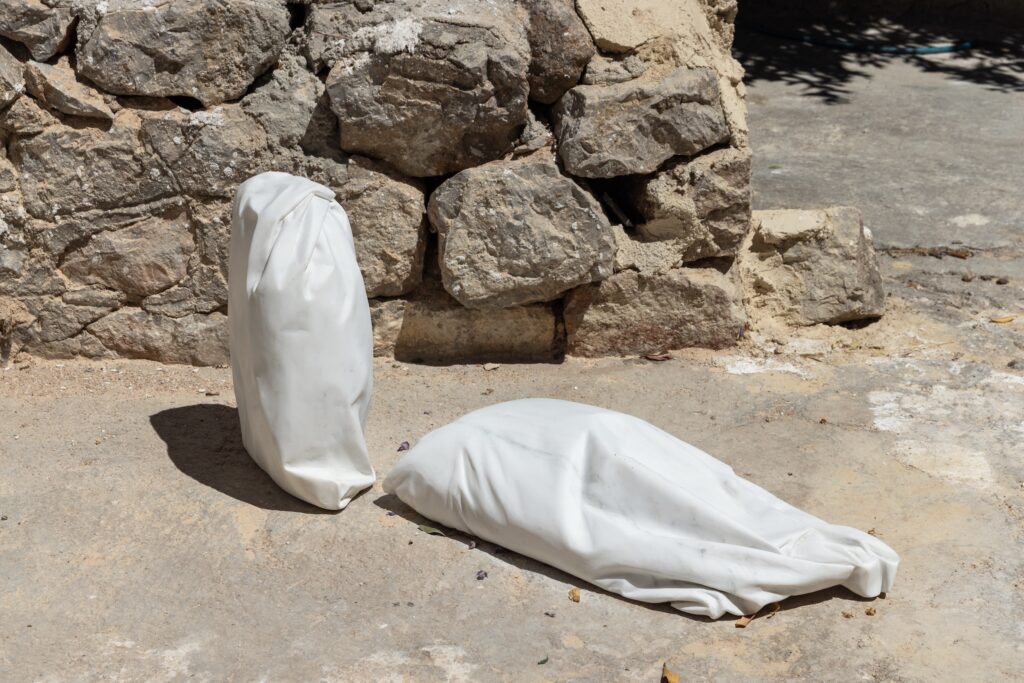
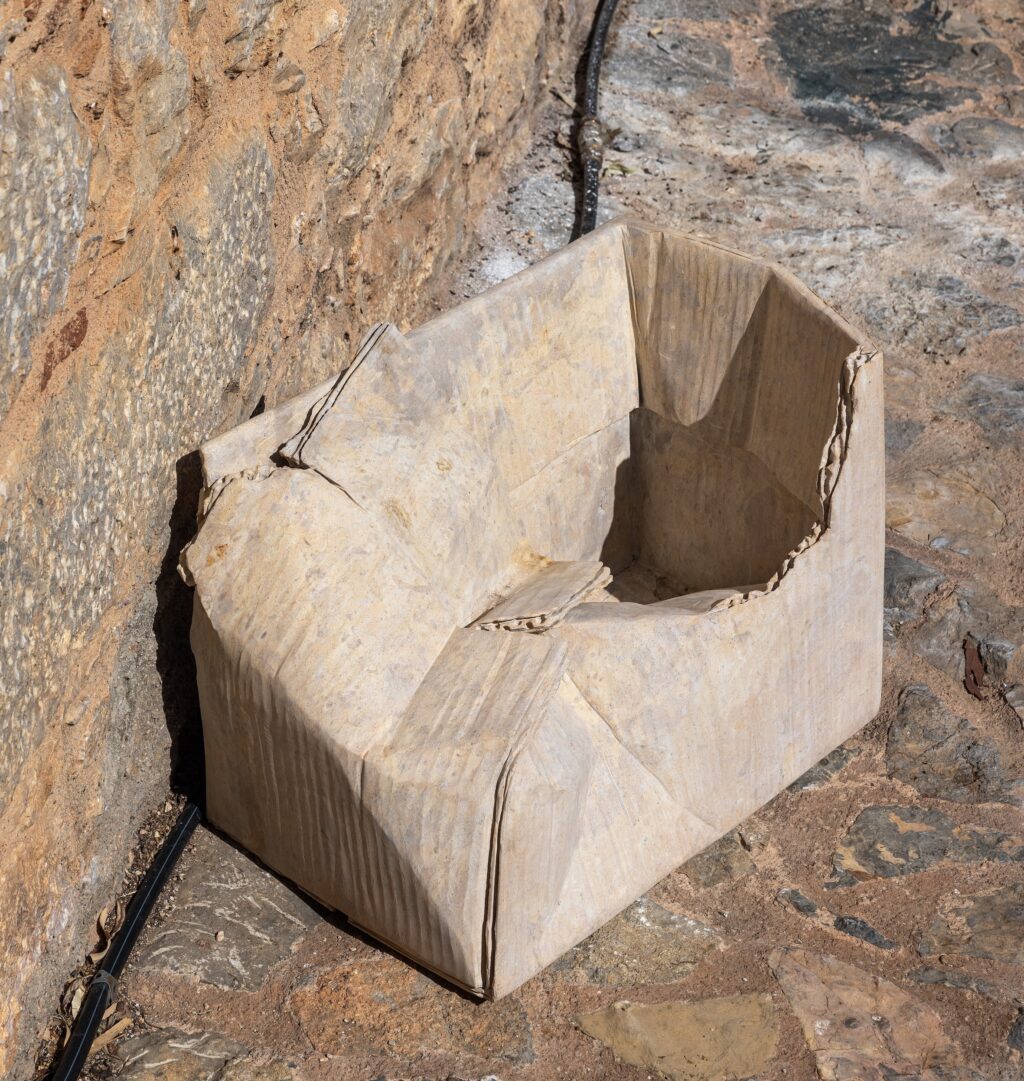
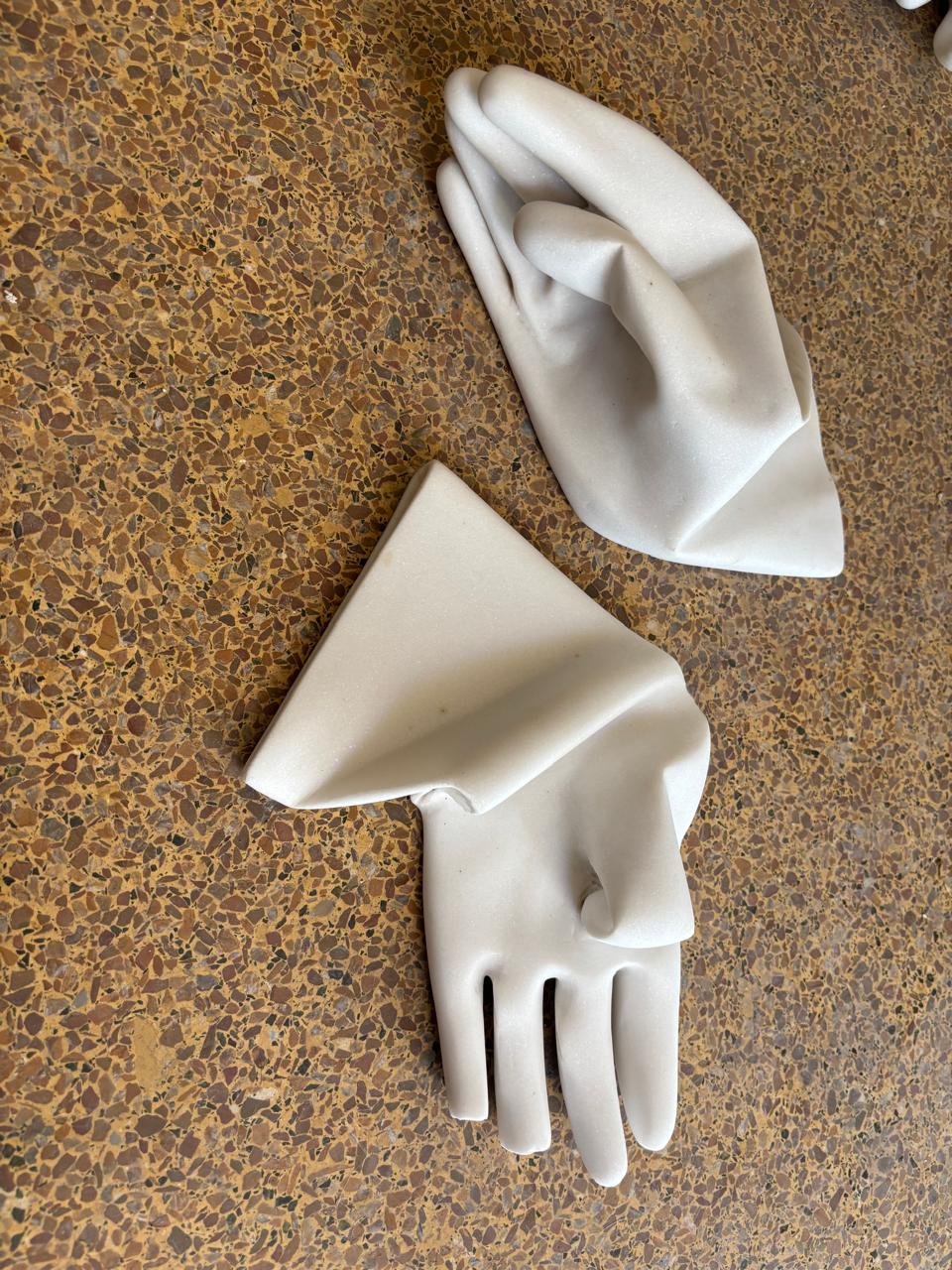
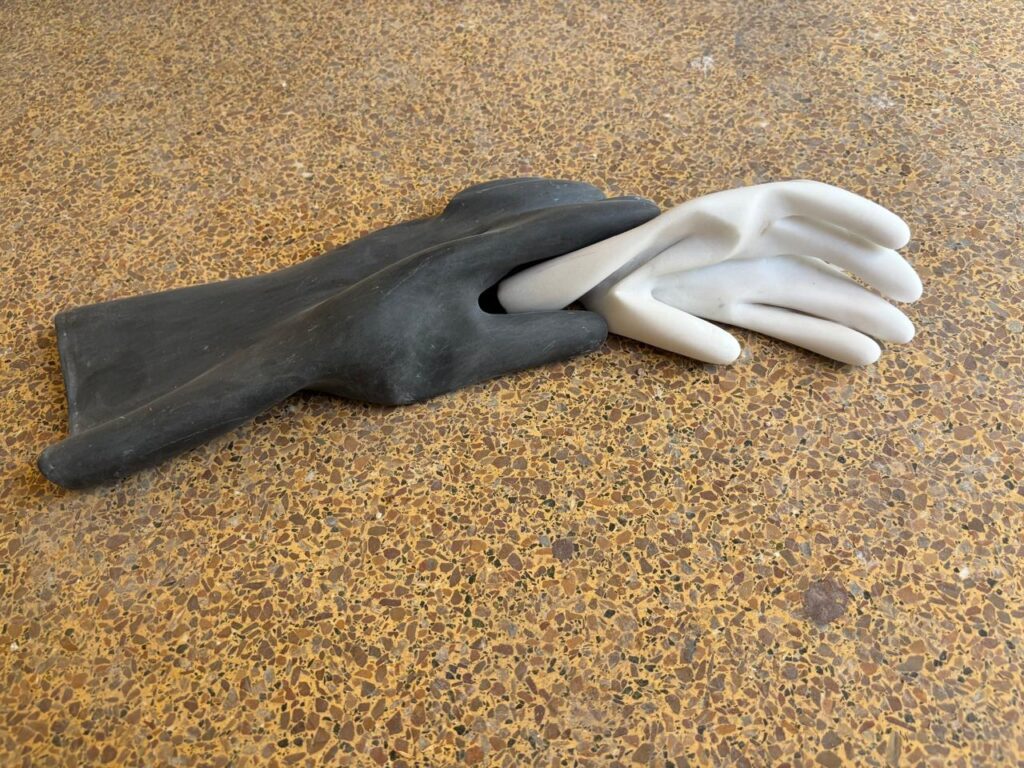
Over the past several years, Andreas Lolis has created a series of floor-based sculptures that scrupulously mimic the appearance of materials commonly used in the packing and shipping of commodities—cardboard boxes, wooden pallets, sacks—many of which bear signs of apparent wear and tear. It is only upon close inspection that viewers realize these are not found objects, but meticulously hand-carved marble sculptures.
Lolis’s work replicates the varied textures and surfaces of its subjects with uncanny precision, revealing an obsessively detailed attention to the material qualities of things. But his practice goes beyond technical virtuosity. His use of marble—a material historically associated with classical Greek art—introduces layers of irony and cultural commentary, while the labor-intensive fabrication of objects that typically epitomize disposability highlights the tension between craft and mass production.
This paradoxical approach aligns Lolis with a lineage of contemporary sculptors who have engaged with trompe l’oeil and material irony, including Robert Gober, and Peter Fischli & David Weiss. While Duchamp recontextualized mass-manufactured objects as art, Lolis reintroduces artisanal skill to create hand-made facsimiles of industrial forms. In doing so, he offers a sharp, poetic critique of consumerism and the cult of materialism—both in society and in the art world itself.
Lolis lives and works in Athens, Greece. He is a graduate of the Athens School of Fine Arts (2002) and the Carrara Academy of Fine Arts (2005), and taught at the Salzburg International Summer Academy of Fine Arts (2016–2018). Selected exhibitions include Behind the Theatre (Eleusis 2023 European Capital of Culture); the 58th Venice Biennale (May You Live in Interesting Times); Prosaic Origins (NEON CITY PROJECT 2018); Andidoron, documenta 14; the Thessaloniki Biennial; the 7th Beijing Biennial of Contemporary Art; the 13th Lyon Biennale (La Vie Moderne); Yoko Ono: Lumière De L’Aube at Musée d’Art Contemporain, Lyon; Hell As Pavilion, Palais de Tokyo, Paris; and Monodrome, the 3rd Athens Biennial.